Plitvice Lakes in Winter: Complete Guide to Snow, Frozen Waterfalls & Fewer Crowds
Most people picture Plitvice Lakes as turquoise water and packed boardwalks in July. Winter shows a different park. Waterfalls freeze into ice curtains, the forest goes silent under snow, and the entry ticket costs a quarter of the summer price. This guide covers everything you need to plan a winter visit: what’s open, what’s closed, how cold it gets, what to wear, how to get there safely, and how to spend two or three days in the area.
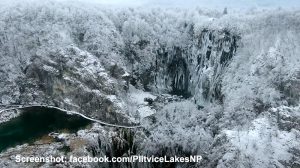
Is Plitvice Lakes Worth Visiting in Winter?
Yes, if you accept two trade-offs. You’ll see less of the park than in summer, and you need to be flexible about weather. In return, you get:
- The lowest prices of the year. The adult ticket is €10 from November to March.
- Almost no crowds. Summer queues and timed-entry scrambles are replaced by empty viewpoints.
- Photography you can’t get in summer. Ice, snow and low light change the whole look of the park.
- A quieter, more atmospheric experience. The main sound is water under the ice.
- See also Winter Magic at Plitvice Lakes: Fewer Crowds, Lovely Scenery
Winter is a poor choice if you want to walk every boardwalk or see the turquoise colour at full strength. In that case, visit in May or September.
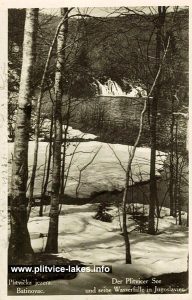
Plitvice Lakes Winter Ticket Prices
Winter pricing applies from 1 November to 31 March.
| Ticket | Winter price |
|---|---|
| Adult (1 day) | €10 |
| Child 7-18 | Roughly half the adult price |
| Child under 7 | Free |
| Students (with valid ID) | Discounted |
| 2-day ticket | Check the official site for the current winter price |
Compare that with about €23.50 in April-May and October, and €40 from June to September. Tickets include the entrance fee, plus the boat and panoramic vehicle when they are running.

Plitvice Lakes Opening Hours in Winter
From November to March, the park generally opens at 8:00 AM, and visitors are expected to be out before dark, around 4:00 PM. Ticket sales and last entry run early in the afternoon, roughly between 2 and 4 PM depending on the date (see opening times info)
Popular Routes: Zagreb to Plitvice, Zadar to Plitvice, Split to Plitvice
- Arrive by mid-morning at the latest. Winter daylight is short and the canyon gets dark early.
- Check current conditions the day before. Use the official park site or call +385 53 751 015. Snow, ice and safety closures change quickly.
- Don’t plan around a late ticket. A 3:30 PM entry gives you almost nothing.
What’s Open and What’s Closed in Winter
This is the question most winter visitors have, and the answer changes with the weather.
Usually open (conditions permitting)
- The Lower Lakes area, including the viewpoints over Veliki Slap, the park’s tallest waterfall
- The higher paths above the canyon
- Visitor centres and toilets near the main entrances
Often closed or restricted
- The Upper Lakes, which typically close for safety from winter until April
- The famous wooden boardwalks over the water when buried in snow or iced over
- Most kiosks and food stalls inside the park
Conditions-dependent
- The electric boat across Lake Kozjak
- The panoramic vehicle between the entrances
Some winters these run on reduced schedules, and in severe cold they may not run at all. Treat them as a bonus and don’t count on them.
Winter visitors describe partially frozen waterfalls and ice formations over the travertine barriers. The lakes themselves mostly keep flowing and rarely freeze over completely.
Plitvice Lakes Weather in Winter
Expect cold, damp, and changeable. Daytime highs in January are usually a few degrees above freezing, and nights and mornings drop well below. Cold snaps can push temperatures much lower, and snow may lie deep for weeks.
| Month | What to expect |
|---|---|
| November | Cold and wet, first snow possible, autumn colour fading, days getting short. |
| December | Snow likely, cold mornings, festive atmosphere, very short daylight. |
| January | Coldest month. Best chance of deep snow and ice formations. |
| February | Still snowy and cold, with slightly longer days. |
| March | Melting starts, paths get muddy and icy, waterfalls gain volume. Snow can still return. |
Best Month to Visit Plitvice Lakes in Winter
- Best for snow and ice: mid-January to mid-February
- Best for a festive trip: December, combined with the Zagreb Advent markets
- Best for milder walking: late February to March, though expect slush and mud
- Best for value: any month from November to March, since the ticket price is the same
If frozen waterfalls are your priority, watch the forecast. A few days of sustained sub-zero temperatures matter more than the calendar date.
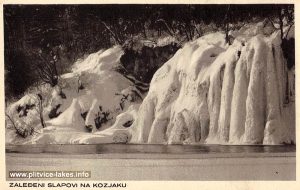
Frozen Waterfalls at Plitvice: What to Realistically Expect
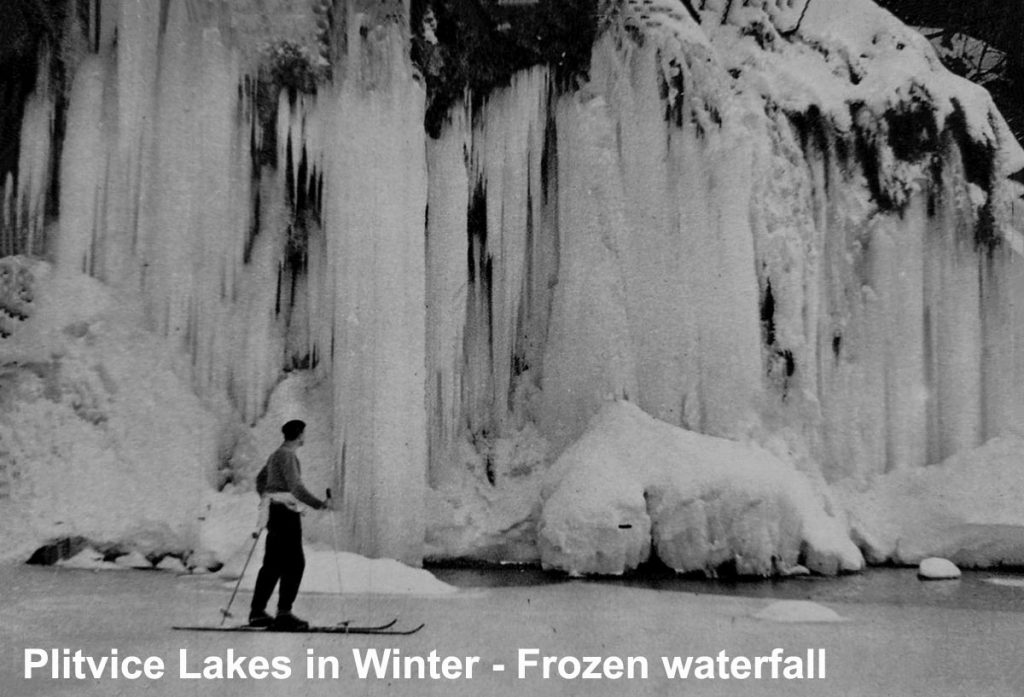
Photos of Plitvice’s frozen waterfalls are real, but they aren’t guaranteed. Water at Plitvice is constantly moving, so the falls tend to freeze partially, with icicles, ice-covered rock faces, and glassy edges. Complete ice curtains need a long cold spell.
- Check temperatures for the week before you arrive, not just the day you visit.
- Head to the Veliki Slap viewpoints first, as this is where the scenery is most dramatic.
- Visit in the morning, when the ice is firmest and the light is softest.
- Don’t step off marked paths to get closer. The travertine is fragile and the edges are slippery.
How to Get to Plitvice Lakes in Winter
By car (best option). From Zagreb it takes about 2 hours, from Zadar about 1.5-2 hours, and from Split around 3.5-4 hours. Main roads are normally cleared quickly, but conditions can change inland. A well-known example is the Sveti Rok tunnel on the A1, where it’s common to leave sunny coastal weather and emerge into snow on the other side.
Winter driving rules. In Croatia, winter equipment (winter tyres or snow chains) is required on many inland roads in the colder months, typically from mid-November to mid-April. Confirm with your rental company that the car is properly equipped.
By bus. Direct services run from Zagreb (about 2-2.5 hours), Zadar (about 2 hours) and Split (about 4 hours). Timetables are thinner in winter, so check and book ahead.
By tour. A day trip from Zagreb or Zadar removes the driving stress. Check that the tour gives you at least 4 hours in the park, since some winter routes are short.
Flying in. Zagreb is the easiest airport for a winter trip. Zadar is closer to the park but has fewer winter flights.
What to Wear and Pack for Plitvice in Winter
Footwear matters more than anything else. Snow packs down into ice, and wet stone is slippery. See info about what to wear and pack
Essentials
- Waterproof hiking boots with good grip
- Ice cleats or microspikes, worth it on frozen days
- Thermal base layer, insulating mid-layer, waterproof and windproof shell
- Waterproof trousers or a spare dry pair
- Warm socks and a spare pair
- Gloves, hat and scarf
- Sunglasses, since snow glare is strong
Useful extras
- Hand warmers
- A thermos with a hot drink, since in-park food options are limited or closed
- A portable charger, because cold drains batteries fast
- Offline maps and a printed park map, as mobile coverage is patchy
- Snacks, because you can’t rely on cafes being open
Where to Stay Near Plitvice Lakes in Winter
Many guesthouses close between November and March, so book early.
- On the doorstep: Hotel Jezero and Hotel Plitvice, both close to the main entrances and useful for early starts
- Cosy cabin style: Lakeside Hotel and Ethno Houses, a village-style property with wooden houses and an on-site restaurant
- Budget-friendly: family-run guesthouses in Mukinje, Jezerce and Korenica
- Alternative bases: Rakovica or Slunj if you also plan to visit Rastoke
Choose a place with a restaurant, or one near an open restaurant. Options are limited on winter evenings.
How Many Days Do You Need in Winter?
- 1 day is enough for the Lower Lakes and Veliki Slap.
- 2 days is ideal if you want a slower pace, a second attempt at good weather, or time for nearby attractions.
- 3 days work if you want to add Rastoke, a deer ranch visit and a museum stop.
Because daylight is short and the cold builds, most people are happiest with about 4-6 hours in the park itself.
Best Winter Itineraries for Plitvice Lakes
One Day in Plitvice Lakes in Winter
- Arrive between 8 and 10 AM and confirm current routes at the entrance.
- Walk to the Veliki Slap viewpoints for the classic view.
- Follow the open Lower Lakes paths, stopping at each viewpoint.
- If the boat or panoramic vehicle is running, use it to cover more ground.
- Warm up with a hot drink, then leave before dusk.
Two Days in Plitvice Lakes in Winter
- Day 1: Park highlights (as above).
- Day 2 morning: Return to the park for a second pass in different light, or visit a nearby attraction.
- Day 2 afternoon: Slower activities such as a farm or museum visit, then dinner at your hotel.
Three Days: Plitvice Plus the Surrounding Area
- Day 1: Lower Lakes and Veliki Slap
- Day 2: Deer feeding at a local ranch (book ahead) and the Speleon heritage centre
- Day 3: Rastoke village and the Korana River waterfalls, then on to Zagreb or the coast
Things to Do Near Plitvice Lakes in Winter
Rastoke village (Slunj). About 30 minutes from the park. Old mill houses sit above streams and waterfalls, and the village is often called “Little Plitvice.” A short loop takes 30-60 minutes, and it’s nearly empty in winter.
Deer feeding at Dolina Jelena Ranch. A small-group experience with red deer, fallow deer and horses, plus a local food tasting. Book in advance, as sessions may not run without demand in winter. Check price and payment method when booking.
Speleon Heritage Centre. A modern museum about the caves, geology and archaeology of the region. It’s an easy option on a very cold or wet day.
Barac Caves. The cave is normally closed to visitors in winter because bats hibernate there, so don’t plan to enter.
Zagreb Advent. If you’re visiting in December, combine Plitvice with the Zagreb Christmas markets, consistently rated among Europe’s best.
What to Eat in Winter Around Plitvice
The Lika region has hearty mountain food, and winter is the right season for it.
- Lamb or veal cooked under a peka (a lid covered in embers)
- Lika potatoes and roast meats
- Škripavac, the local squeaky fresh cheese
- Kiselo mlijeko (sour milk), often served with the meal
- Hot rakija or mulled wine at some cafes
Restaurants near the park and in Rakovica, Korenica, and Slunj stay open in winter but keep shorter hours. Have a big breakfast, because in-park kiosks are often closed.
Photography Tips for Plitvice in Winter
- Go early. Low sun creates soft light in the canyon and the snow looks blue-white rather than flat grey.
- Use a tripod or steady the camera for long exposures of flowing water against ice.
- Overexpose slightly so snow doesn’t turn grey.
- Keep spare batteries warm in an inside pocket.
- Protect the lens from snow and condensation when moving between cold and warm areas.
- Shoot details. Icicles, ice-coated branches, and patterns in the travertine make strong images.
Safety Tips for Visiting Plitvice in Winter
- Stay on marked paths. Snow hides edges, holes and wet stone.
- Walk slowly on boardwalks and stairs, since ice forms even when there’s no snow.
- Tell someone your plan, because mobile signal is weak.
- Leave enough time to exit before dark.
- Respect any closed sections. They are closed for a reason.
- Never treat frozen surfaces as safe to walk on.
- Keep a close eye on children near water and steep slopes.
Plitvice Lakes in Winter vs. Summer
| Winter | Summer | |
|---|---|---|
| Adult ticket | €10 | €40 |
| Crowds | Very few | Heavy, timed entry |
| Access | Limited routes | Full network |
| Scenery | Snow, ice, quiet | Turquoise water, lush green |
| Daylight | Short | Long |
| Best for | Photographers, peace-seekers | First-timers wanting everything |
Common Mistakes to Avoid
- Assuming everything is open. Check conditions before you set off.
- Wearing trainers. Wet, icy paths make this the top winter mistake.
- Arriving late. Daylight disappears quickly.
- Relying on the boat or panoramic vehicle. Have a plan that works without them.
- Booking a same-day return to the coast. Winter driving takes longer than you think.
- Expecting summer turquoise. In winter, the lakes look darker and more dramatic.
Plitvice Lakes Winter FAQ
Is Plitvice Lakes open in winter?
Yes. The park is open every day of the year, with shorter hours and some restricted routes in winter.
Does it snow at Plitvice Lakes?
Yes. Snow is most likely from December to February and can lie deep for weeks.
Do the waterfalls freeze?
Partly. Expect ice formations and frozen edges, and full ice curtains only after a long cold spell.
Can you walk the wooden boardwalks in winter?
Often not. Sections close when they are buried in snow or icy. Check on the day.
Is the boat running in winter?
It depends on the weather and the year. Treat it as a possible extra rather than a certainty.
How long do you need at Plitvice in winter?
Most people spend 4-6 hours in the park and plan 1-2 days in the area.
Is winter a good time to visit with kids?
Yes, if they are dressed properly and the route stays short. Children under 7 enter free.
Can I visit as a day trip from Zagreb?
Yes. It’s about 2 hours each way, so a tour or an early start works best.
Is winter cheaper overall?
Generally yes, with lower ticket prices and lower accommodation rates, though fewer businesses are open.
Final Thoughts: Is Winter the Best Time to See Plitvice?
If you want the full network of trails and the brightest turquoise, go in late spring or early autumn. If you want quiet, snow, and a very different side of Croatia, winter is worth the effort. Dress properly, check conditions on the day, leave early, and plan a flexible day.


